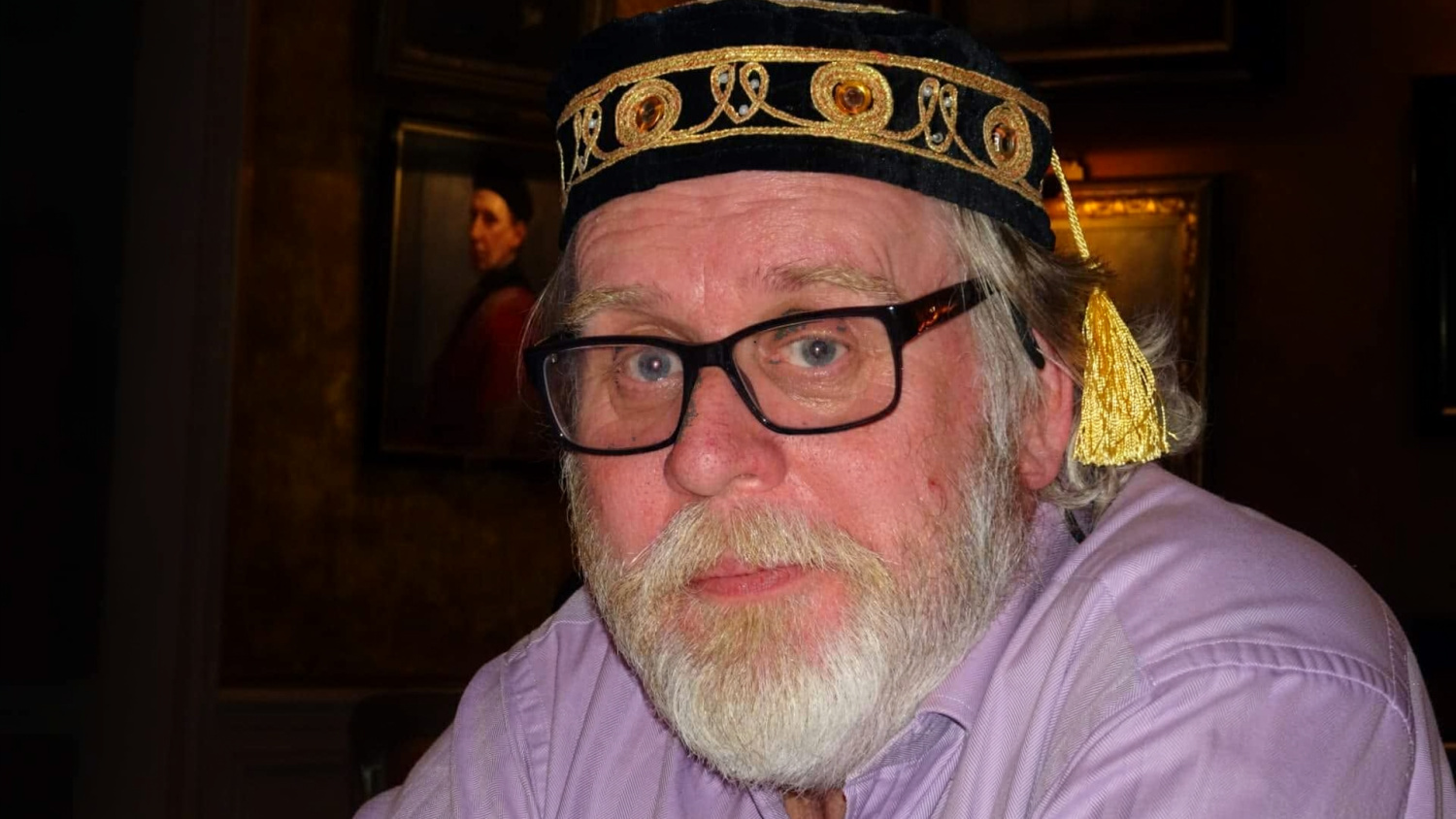
Stevyn Colgan - Cornishman, thirty years a Metropolitan police officer, latterly author, artist and folklorist - on Douglas Adams, the prevention of crime, the Wycombe Wyrm, and why all you really need is enough
It began, as the best of his stories do, with a wager. On a drunken evening, Stevyn Colgan's father bet him £50 that he would not last six months in the Metropolitan Police. Colgan, who had a place waiting at art college, took the bet, joined the Met, and stayed thirty years.
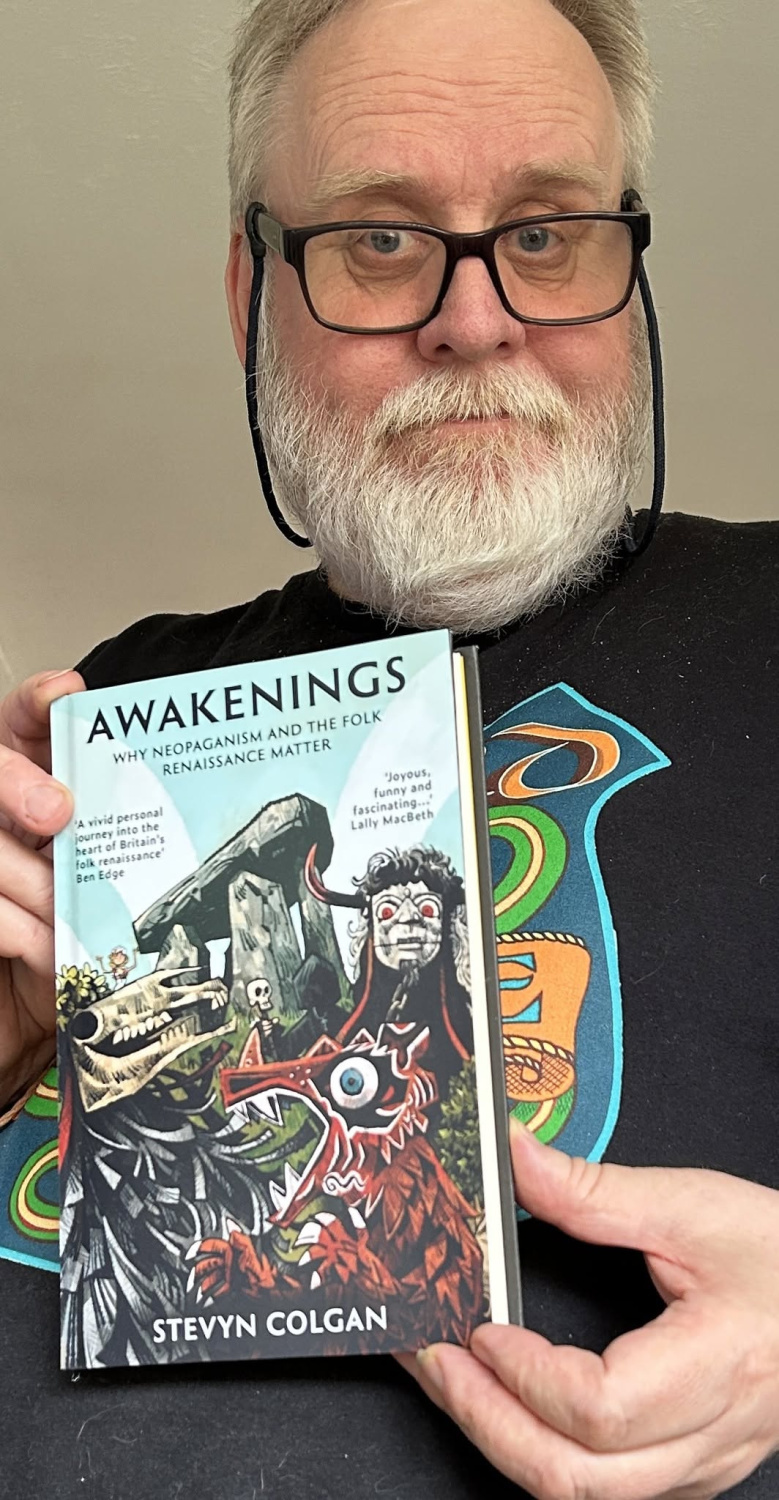
A proud Cornishman, Colgan spent his police career arguing that preventing crime beats making arrests, much of which has since become orthodoxy. He filled what spare time a copper has with an implausible number of other lives - chef, brewer, comics publisher, monster maker, dinosaur builder, university lecturer - and, after an illustration for a friend led him improbably to Douglas Adams, became a researcher and scriptwriter for QI and Radio 4's The Museum of Curiosity, drew the celebrated IKEA instructions for building Stonehenge, and latterly reinvented himself as a folklorist, forager, and festival-maker. His new book, Awakenings: Why Neopaganism and the Folk Renaissance Matter, the fruit of five years' research, is published by Breakthrough Books on 10 November 2026.
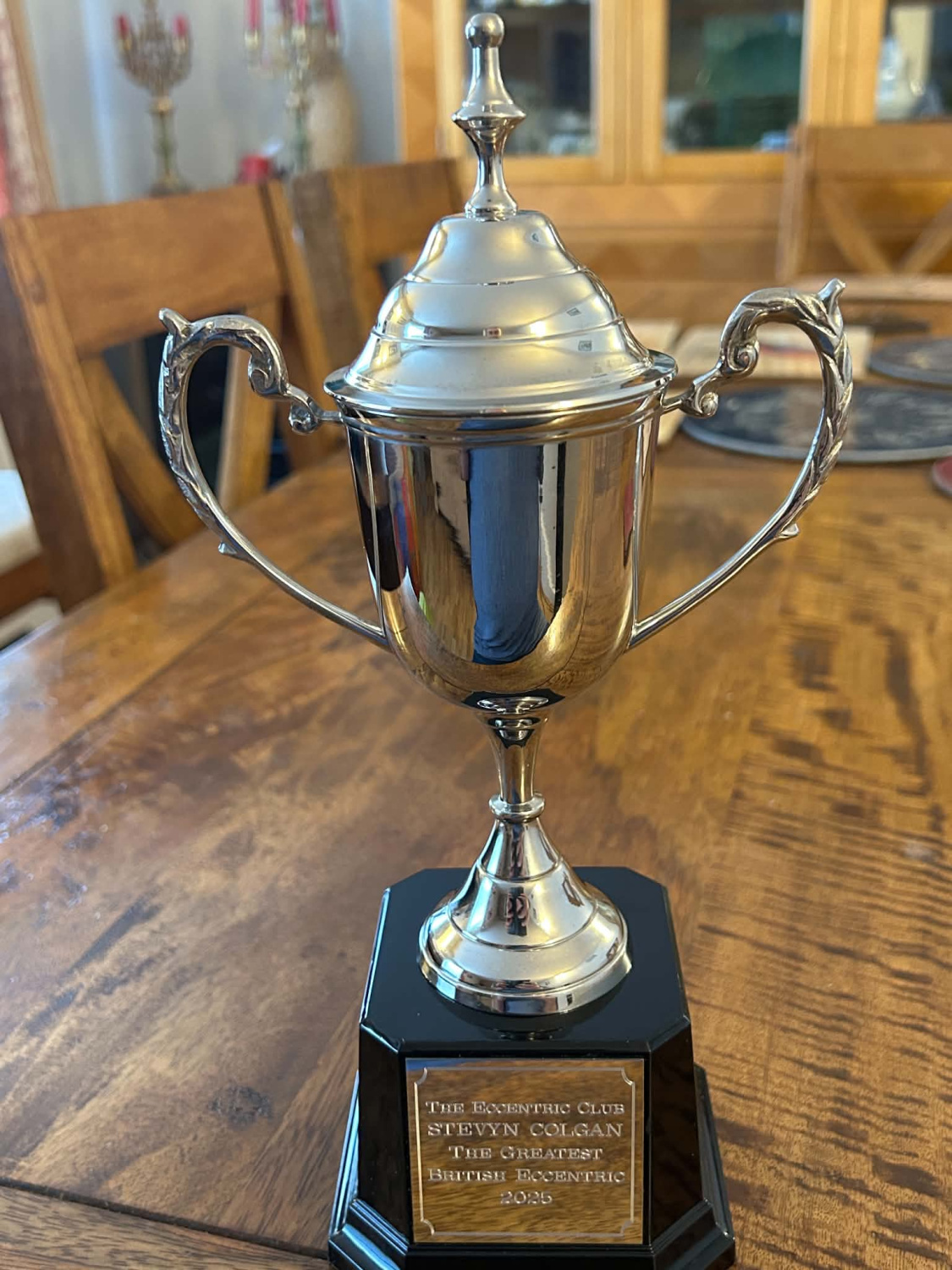
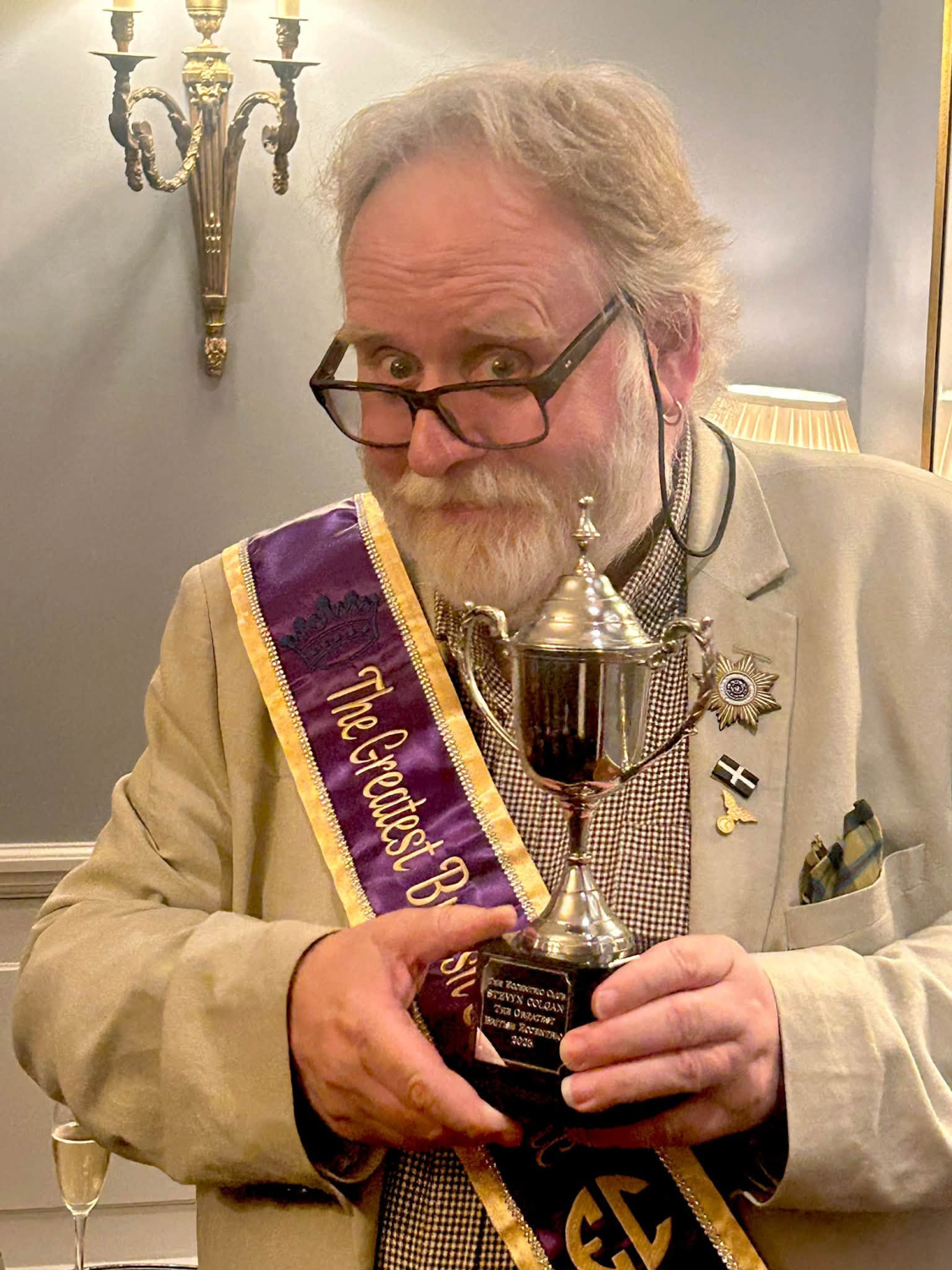
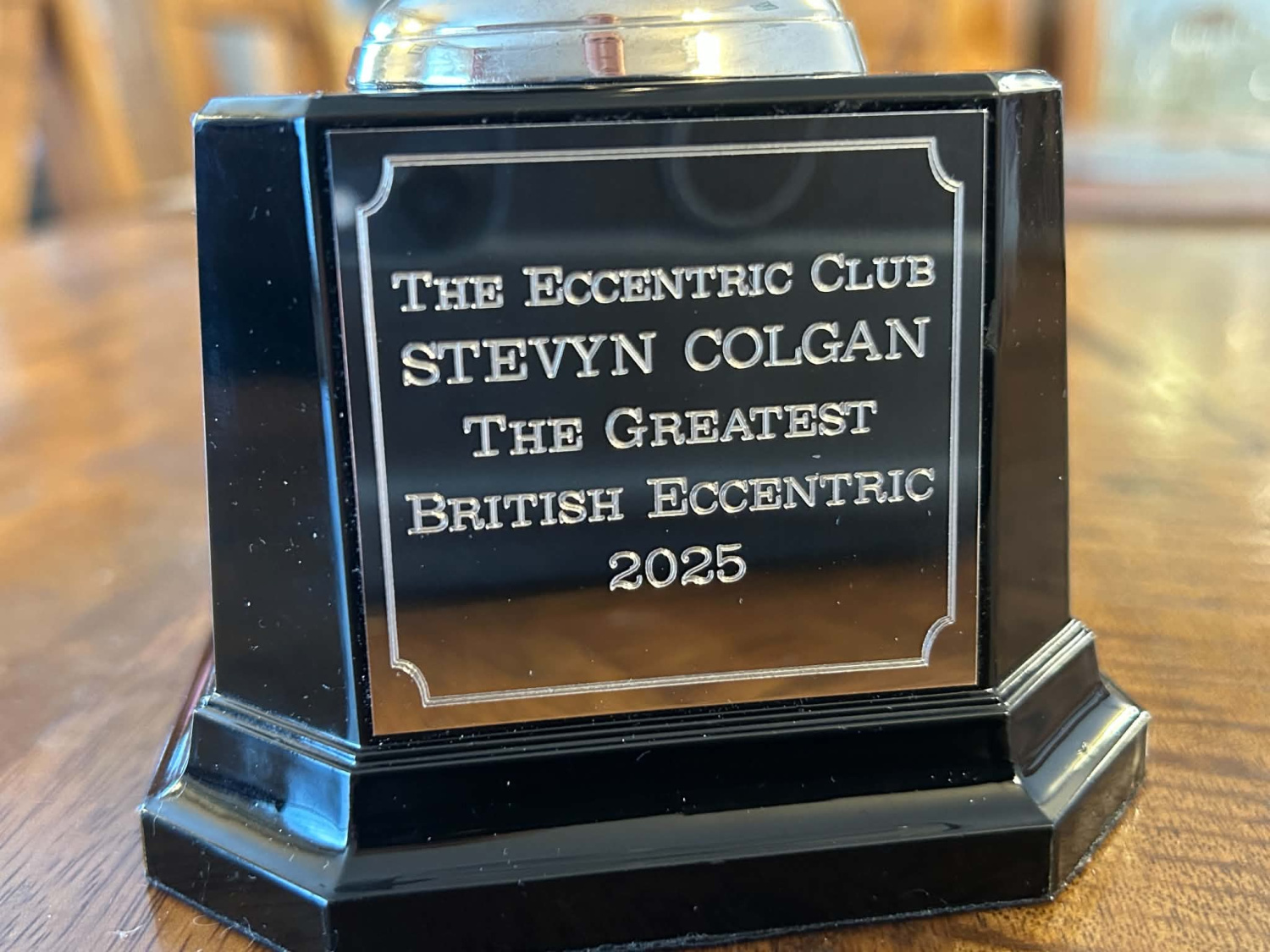
In 2025, the Club named him its Greatest British Eccentric of the year, a verdict he greets with characteristic bafflement. We put our usual questions to him.
You joined the Met on a drunken bet with your father that you wouldn't last six months. What did he say at the thirty-year mark?
Sadly, he never got to see it - he died unexpectedly in 1991, at the ridiculously young age of 51, of an undiagnosed heart defect. But he did pay out the £50 when I passed the six-month mark. By then I was enjoying London as a single young man, and I'd decided to stay on. When I qualified as a full officer after two years, he congratulated me and said he was the real winner - because he'd managed to trick his slacker, arty-farty son into a full-time career. Smart man.
You spent those years arguing that preventing crime beats making arrests. Has policing gone backwards since you left?
From day one, we were told that - according to Sir Robert Peel, who created modern policing - the primary object is to prevent crime. And yet all the focus was on catching bad guys, because the Home Office wanted a way to gauge police performance, and easily countable things like the number of arrests did the trick. The thing is, if you ask people what they'd prefer - all the bad guys arrested, or that no one gets assaulted, robbed or burgled - it's obvious which they'd choose. You can't be arrested until you've done the crime. But if you prevent the crime, there's no bad guy to arrest and prosecute and, more importantly, no victim.
Policing caught on to this around the turn of the Millennium, and the government invested in Safer Neighbourhood Teams and community policing to tackle the low-level crime that most affects people day to day. It made people feel safer. It sent a signal to the criminals that police and the public were working together. Crime rates crashed. Violent crime dropped. Burglary fell to its lowest rate in forty years. But then there was a change of government that was disastrous. They looked at the reduced figures and decided we didn't need so many cops. They got rid of 20,000 officers and stripped budgets. And guess what? Crime went right back up. They realised their mistake and went on a recruiting drive, but they couldn't get enough - by then the remaining cops were so overworked, underpaid, and underappreciated that policing looked hugely uninviting as a career. A recent Cambridge study suggests one in five cops has PTSD, many of them undiagnosed. It's a tough job. Most people face two or three traumatic events in their lifetimes; cops can face two or three every single week. So yes, things have slipped. And it won't be fixed without massive re-investment.
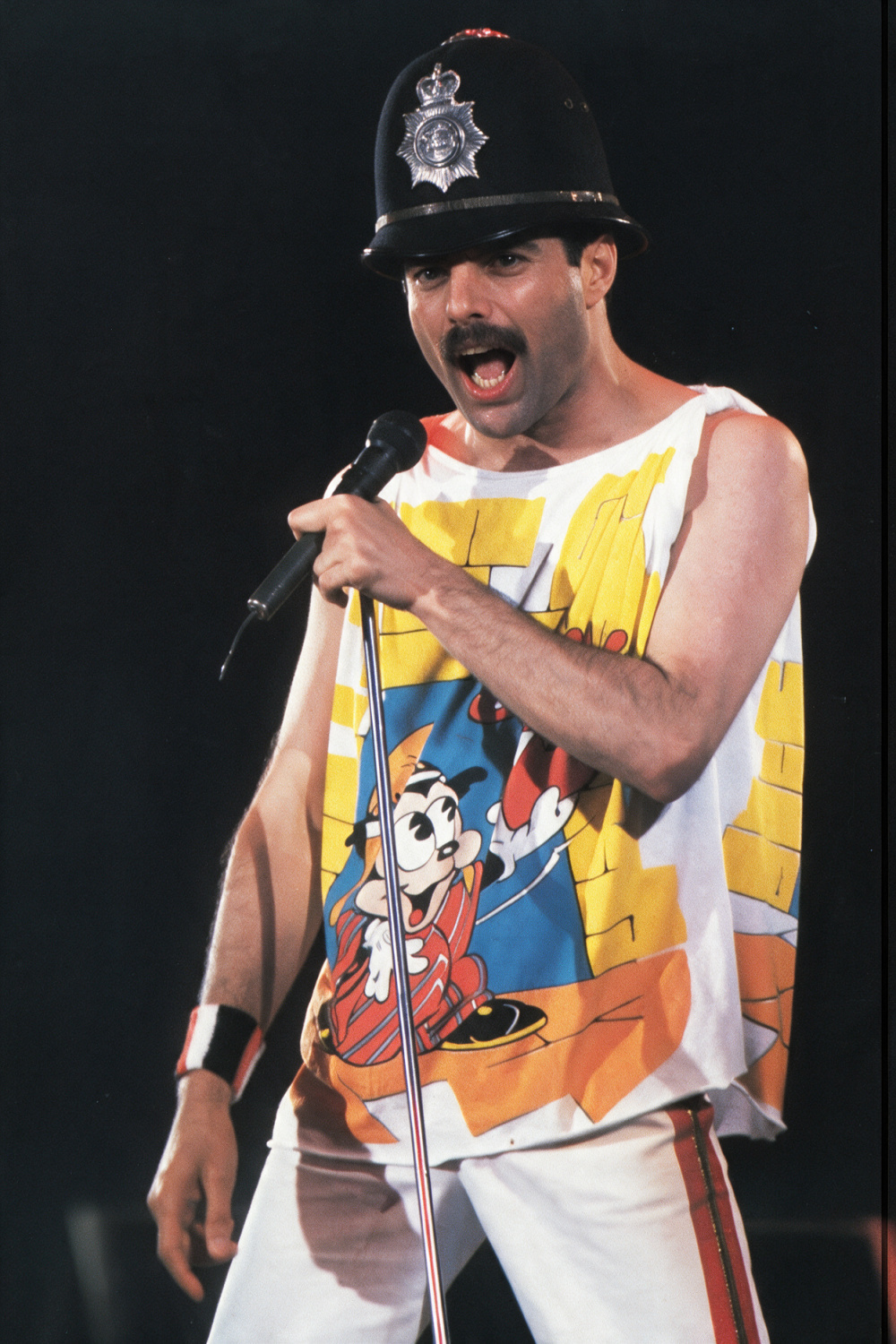 Freddie Mercury wore your helmet, Diana kissed you, and another equally famous royal told you to clear off. Which of those stories do you tell least often?
Probably about the 'other royal' - because the words he used weren't quite "clear off," and he has since passed on. He was, for many years, a royal patron of this very Club, so I shan't say more. You will know the gentleman I mean.
Freddie Mercury is the funnier story. I was inside Wembley Stadium, working on the last night of the A Kind of Magic tour, when a roadie came running down off the stage and asked whether Freddie could borrow a helmet. I offered mine. He ran off - and a minute later he was back, saying Freddie had put it on and it almost covered his head. I have a big bonce. So Freddie borrowed another, from a lad called Billy Budd, and wore that one on stage; it's on the Live at Wembley video. The roadie's actual words to me were, "Freddie says you've got a head the size of a watermelon."
The Diana story is bittersweet. It was during her visit to Hendon Police College; she posed pecking me on the cheek for a photograph. Sadly, the man who took it had a massive heart attack and died shortly afterwards, and I never saw the picture. She was fun.
You wrote thirteen novels while serving, and none was published. What else is still in the drawer?
Loads! Several more murder mysteries, a trio of sci-fi comedies, and more. Sadly, even with an agent, it's hard to get traction without celebrity status. I've been lucky to have three novels published, and five non-fiction books too - but I've now focused solely on non-fiction, as there's more of a market for people like me. My new book, Awakenings: Why Neopaganism and the Folk Renaissance Matter, is out on 10 November, and it's the result of five years researching why the UK is going through a folk-culture revival, and why people - particularly younger people - are turning towards forms of paganism as a set of guidelines for how to live. It's been an enlightening and very positive journey. I think I've come out of it a better man.
An illustration for a friend led you to Douglas Adams, and Adams's death led you to Stephen Fry, John Lloyd and QI. What was Adams actually like?
Douglas was wonderful - a boyish enthusiasm for life, and he wanted to know everything. He could be surprisingly serious to chat to, as many comedians are backstage, but he was devastatingly intelligent and well-informed, and there was always a twinkle of humour in his eye. My favourite of his books is his only non-fiction one, Last Chance to See, where he and the biologist Mark Carwardine went in search of the world's most endangered animals. You hear Douglas's true voice as you read it - serious, empathic, concerned, but with his trademark humour sprinkled over the text. I wish he'd lived longer to write more like it. And he would have been an amazing contestant on QI.
What does a QI elf actually do all day?
That depends on the sort of elf you are. There's a core of elves who work for QI full-time - on the show, but also writing the books, fronting the podcast No Such Thing as a Fish, answering the emails. Then there are contract elves like me, who came on board in January, found and researched the facts, and assembled them into scripts. Every Monday we gathered at the QI offices, shared what we'd discovered that week, and sifted the wheat from the chaff. Finding the facts was the fun part - I'd read hundreds of books, magazines and academic papers, visit museums, interview experts. Eventually the research meetings morphed into script meetings; we usually had two scripts each to write. Around Easter we'd be in the studio recording with the production company, Talkback. Then, over the summer, there'd be trips to an editing suite in Soho, where the writer and producer sat with the video editor to whittle each two-hour recording down into a thirty-minute episode and an extended forty-five-minute one. Simultaneously, there was Radio 4's The Museum of Curiosity to research, write and record. After that we were free from contract until the following January - though we'd often go to the Edinburgh Festival to look for new comic talent, and we were always in demand to speak at festivals and events.
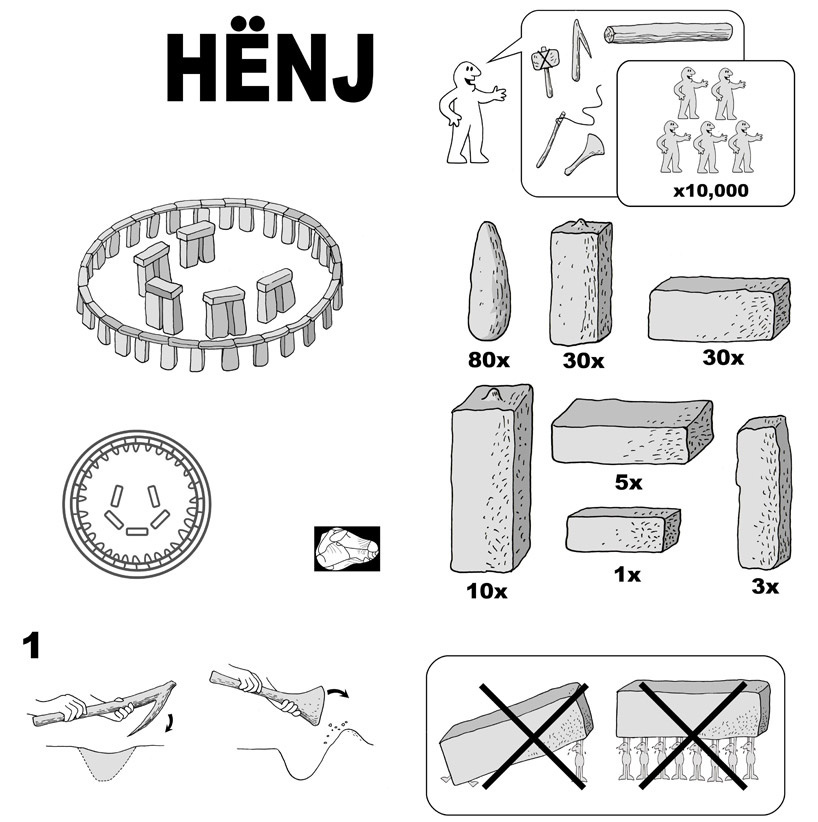 Your most widely seen work is a set of IKEA instructions for building Stonehenge - and most people who've seen it have no idea who made it.
I'm very proud of that. It was a two-page spread in one of the QI Annuals. The initial idea came from another of the elves, the historian Justin Pollard; John Lloyd picked it up and ran with it, and then, over supper at his house one evening, the two of us thrashed out a script and layout, and I drew it. It seemed to inspire a lot of other IKEA-instruction humour - I've since seen Doctor Who's sonic screwdriver, the DeLorean from Back to the Future, and many more.
Chef, brewer, comics publisher, monster maker, dinosaur builder, university lecturer. Is that curiosity or restlessness?
A bit of both, I suspect.
Like Douglas Adams, I want to know everything - I'm endlessly curious. Many of those things ran parallel with my thirty years as a cop; I filled what spare time I had with things that interested me. I'm particularly fascinated by people, especially people with expertise and knowledge.
I love seeing skills being used - it inspires me to try my hand at things I've not done before, or to experience new places. I'm also someone who jumps at opportunities. I like to say yes if I can. It's taken me all over the world, and I've met some amazing people - everyone from Buzz Aldrin to Carrie Fisher.
 You're a folklorist and a forager. What is being invented right now that will be folklore in a hundred years - the Wycombe Wyrm, or something else?
New folklore is being created daily. Some of it starts as urban myth, some as conspiracy theory - and while much can be dismissed as nonsense, some things remain unexplained, and they taunt us, like an itch we can't scratch. Pick up any copy of a magazine like Fortean Times and there'll be stories of strange new fads and beliefs that have sprung up from nowhere. Remember the mysterious metal monoliths that popped up everywhere during the Covid lockdowns? There are still people who believe they had an alien origin. There's currently a very complex story evolving about the billionaire oligarchy that's all getting woven together with older stuff about the Bilderberg Group and the Illuminati.
But closer to home, people are creating new local events, or reviving older traditions, as a way to bring fractured communities together. I've seen so many spring up in the past decade, and older festivals getting bigger and bigger.
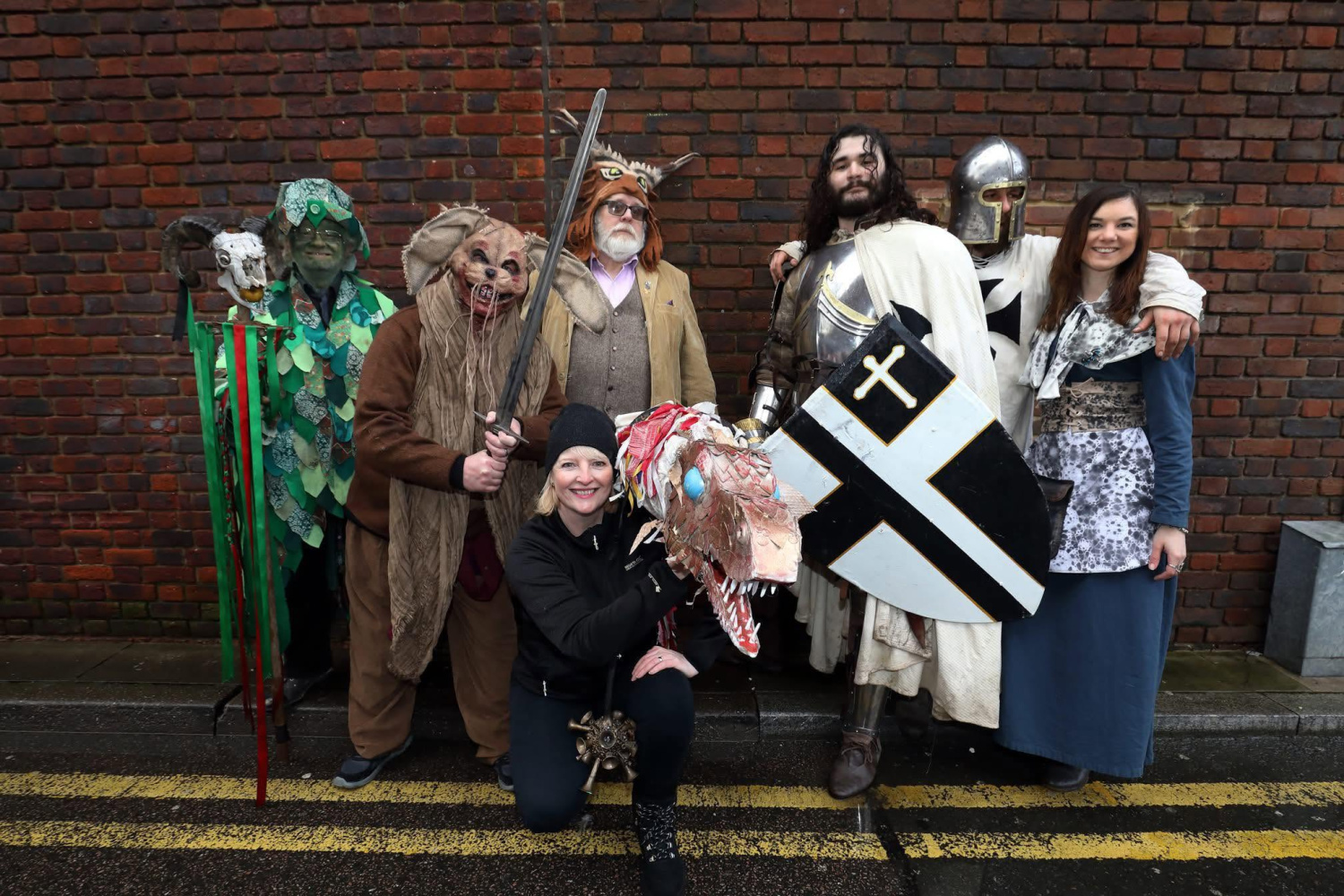
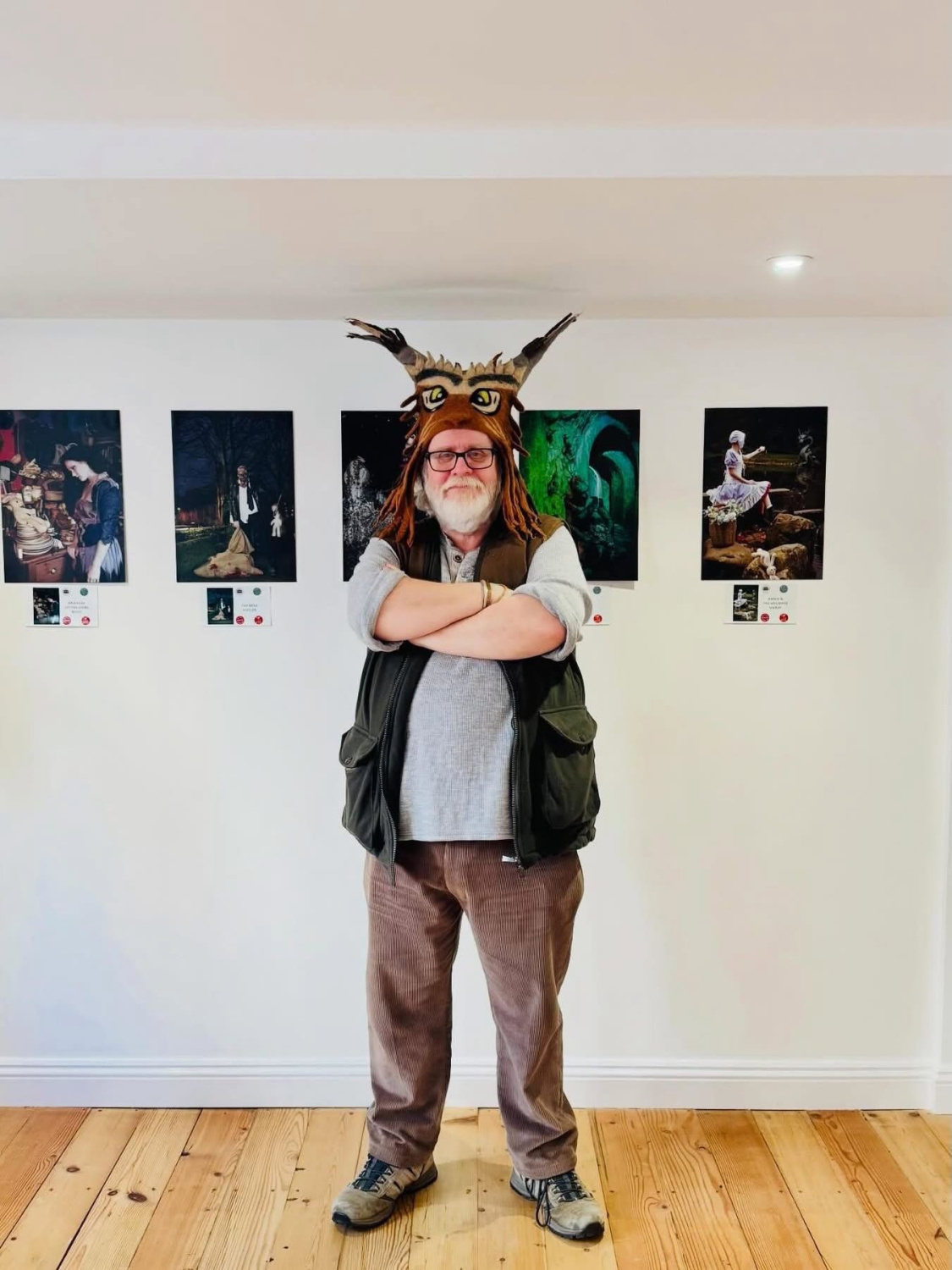
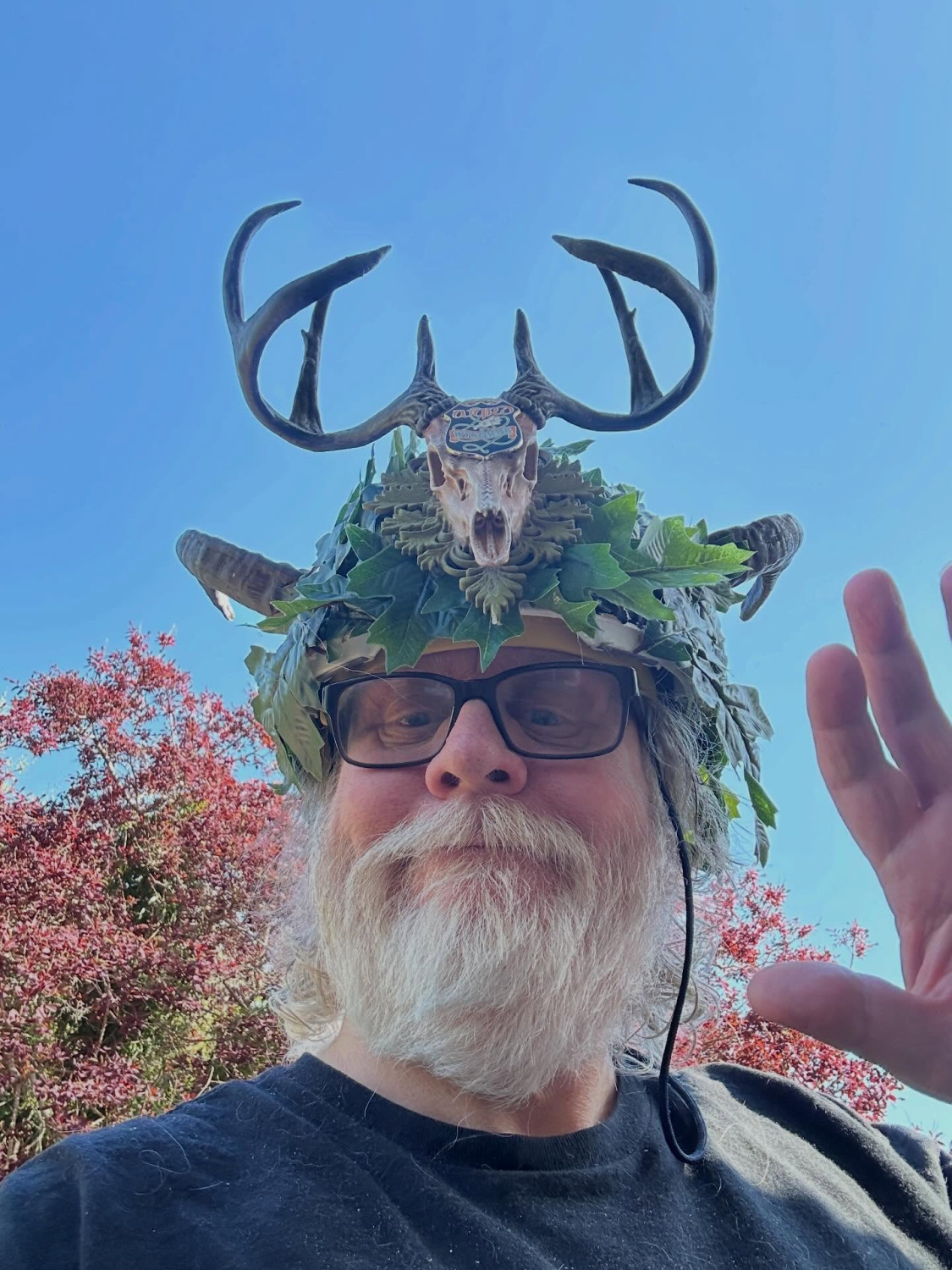
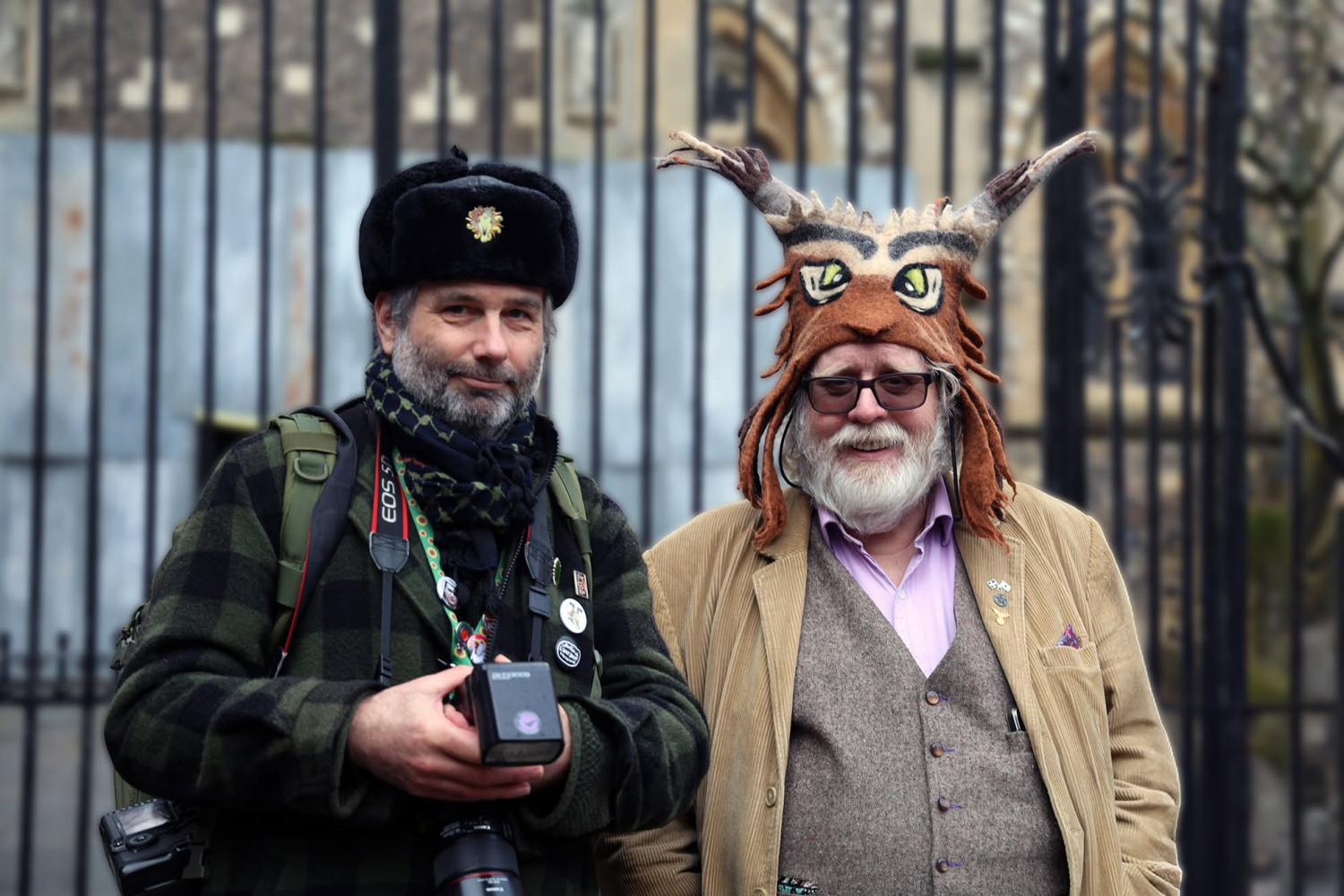
I co-created the Wyrd Wycombe festival because High Wycombe had no single day to celebrate its heritage, history and folklore. We put on talks and art displays, brought in morris dancers and musicians, rescued a nineteenth-century maypole from a skip and renovated it, and resurrected a tale from the 1500s about a local dragon - the Wycombe Wyrm - and built a pageant around it, involving a thirty-two-foot dragon costume and a knight in full armour. We held the first in February 2026, and it was hugely popular, so we're doing it again next February. If it becomes annual, it becomes part of the town's folk culture.
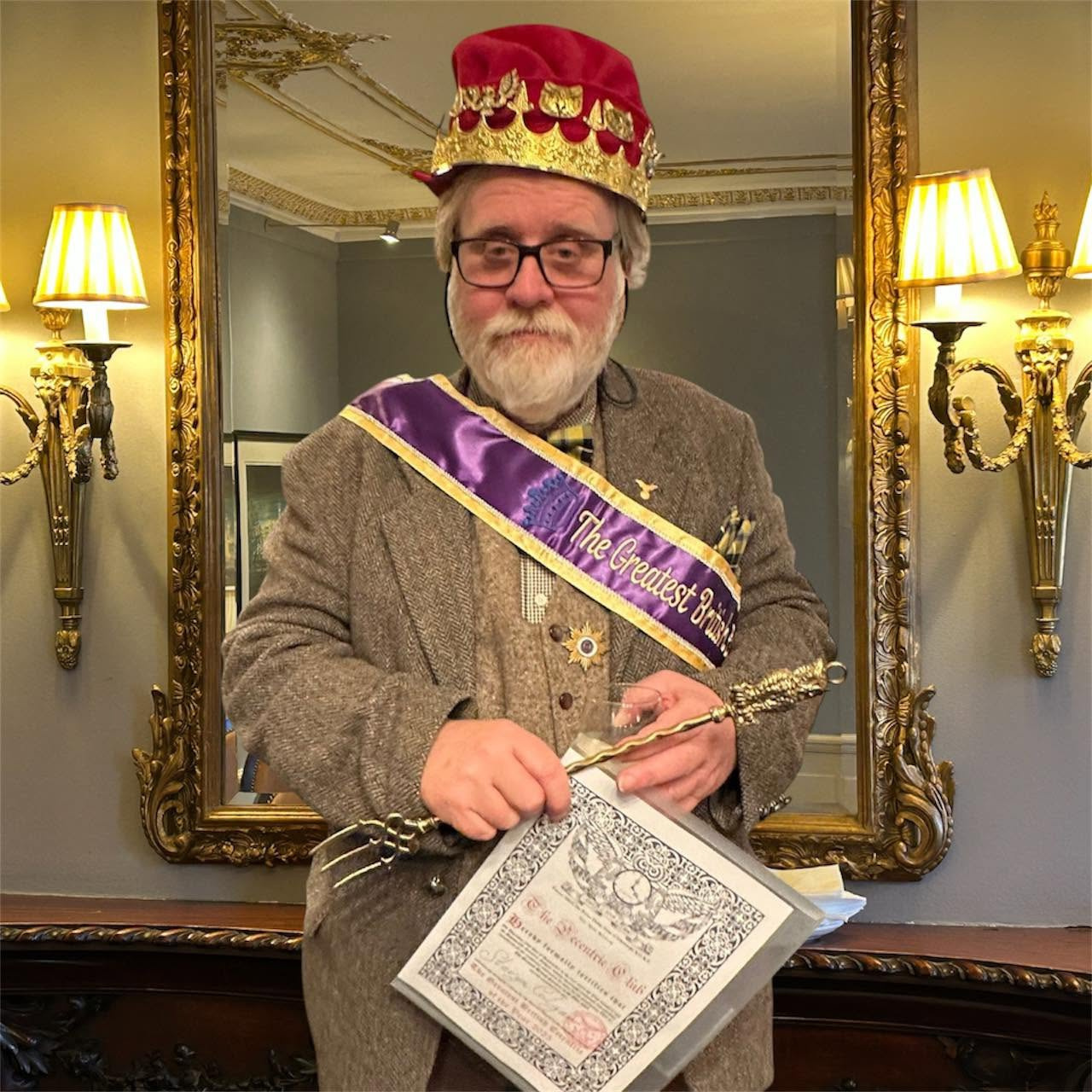 Greatest British Eccentric of 2025. Why do you think you qualified - and who else should hold the title?
I have no idea! But then, a defining characteristic of most eccentrics is that they don't see themselves as eccentric. I suppose it's because I'm not someone wedded to "that's the way we've always done it".
I care more about being authentic and creative than following the herd. I've kind of ploughed my own furrow through life, doing the things I want to do, wherever possible or affordable, the way I want to do them. I don't always follow convention, and I can't stand pomposity or pretentiousness.
These are traits that many of our greatest scientists, writers, actors, dancers and engineers possessed - they did things their way. I'm not comparing myself to them, of course, but I have a similar mindset. And I'm thick-skinned. I really don't care what others think of me - I'm authentically me.
As for who else should hold it, I'd like to see more women. I would have loved the late architect Dame Zaha Hadid to get the award. Or Helena Bonham Carter. Or Dame Maggie Aderin-Pocock. Or Kate Bush. Or Lady Philippa Perry. There are some amazing, talented innovators out there who've carved out careers for themselves and deserve recognition for their originality and bravery.
The most eccentric thing you've ever done?
That's a tough one - there's always some project going on. I suppose giving up a place at art college to become a cop, in order to win £50 off my dad, was pretty eccentric. But I did once spend an entire year, 2006, trying to prove the existence or non-existence of luck. That was a bit bonkers. To make myself unlucky by walking under ladders, I drove to Bath so I could walk beneath the seventy-five-foot Jacob's Ladders carved into the west front of the Abbey in the sixteenth century. I persuaded the local fire chief to let me walk under a stack of all their ladders, from a stepladder to the fully extended cherry-picker on their biggest engine. Over the year I stayed in rooms on the thirteenth floor, un-shod a horse, wore my clothes inside out at work, had a large black cat - a panther - walk in front of me, hunted for four-leaf clovers, and opened umbrellas indoors. I was delighted to discover that the Eccentric Club holds a Friday the 13th dinner where members break all the taboos. Perfect. And at the end of the year there was no evidence for luck whatsoever - but, having interviewed lots of supposedly lucky people, I found they all worked hard to become the best at what they do, constantly looked for opportunities, and had a positive outlook. You can't make good luck, but you can weigh the dice in your favour.
If you met a genie and had three wishes, would you use them - and what would they be?
First, I'd wish for a complete, 100 per cent switch to renewable energy. The wind will always be free. The tides will always be free. The sun will always shine. And below our feet, the centre of the Earth is as hot as the surface of the sun - a clean, inexhaustible source we're barely using. We don't need to burn oil and coal, or tinker with dangerous nuclear fission. The technology exists now to produce limitless, virtually free clean energy that will never run out. Sadly, the political will isn't there in this country - others are leaping ahead of us - and we still pay some of the highest fuel and water bills in the first world. An end to oil would mean an end to oil-based plastics, too. There are excellent plant-based, biodegradable alternatives. I'd rather that than microplastics in my bloodstream.
Second, I'd ban factory farming. Eighty-five per cent of all the meat we Brits buy and eat is factory-farmed. It's inhumane and unnecessary. I eat meat, but free-range meat from animals that have had good lives - it's expensive, so I eat less of it, much as we did for most of human history. It's only the rise of cheap, unhealthy fast food that's led to animals being grown in their millions in cages and sheds. I want to see them out on the fields. The waste they produce is seeping into our waterways and killing rivers, while the vast numbers of captive animals add to climate change at an extraordinary rate. Forty per cent of all arable crops are grown just to feed them - we should be growing them for humans. This intensive monoculture is also destroying the soil and contributing to wild-species decline. The UK is listed as one of the most wildlife-unfriendly countries in the world. We're better than this, surely?
Third, I'd make sure social media was never invented. It's ruined the internet, and I'm convinced it's had a harmful effect on all of us, but particularly young people. It constantly targets people with advertising. It spreads misinformation and disinformation. It creates a barrier between people and replaces real conversation. It's reducing our capacity to memorise things, and the amount people read. Worst of all, it's put us all in competition with each other, and hugely contributed to polarising views and an us-and-them culture. There was a time, just a few decades ago, when you could be the best driver, or the best-looking, or the best cook in your community. Now you're in competition with the world, and there's always someone having a better life than you. It's led to a rise in body dysmorphia, unnecessary cosmetic surgery, and ridiculous fads like the recent TikTok craze for "bone smashing" - people striking their own faces to sculpt a sharper jaw. I despise it.
A time machine. Would you use it - and where would you go?
Heck yes. I'd be straight back to prehistoric Earth to see what the dinosaurs and their cousins looked like and how they behaved. I'd just observe, rather than interfere. I've been fascinated by these beasts since boyhood. Here's a group of animals that absolutely dominated all life on Earth for over 100 million years - and they didn't mess up the planet. Homo sapiens has been around for only 300,000 years, and look at the mess we've made of the place.
A single sentence of hard-earned wisdom - for your younger self, or our readers.
All you need is enough. It's something my parents used to say, because we couldn't afford a lot when I was younger - and they were right. You don't need most stuff. There's almost nothing you can buy in a shopping mall today that you'll give a damn about in five years. And the less you have, and the more you can do yourself, the less money you need to pay the bills. All you really need is health, companionship, food on the table, a roof over your head, and the freedom to be yourself. Everything else is frippery.
Stevyn Colgan's Awakenings: Why Neopaganism and the Folk Renaissance Matter is published by Breakthrough Books on 10 November 2026. The Wyrd Wycombe festival returns to High Wycombe next February.
Stevyn Colgan is the Eccentric Club's Greatest British Eccentric of 2025.
Comments (0)
No comments yet.
Commenting is for subscribers. Sign in or subscribe to join the conversation.